
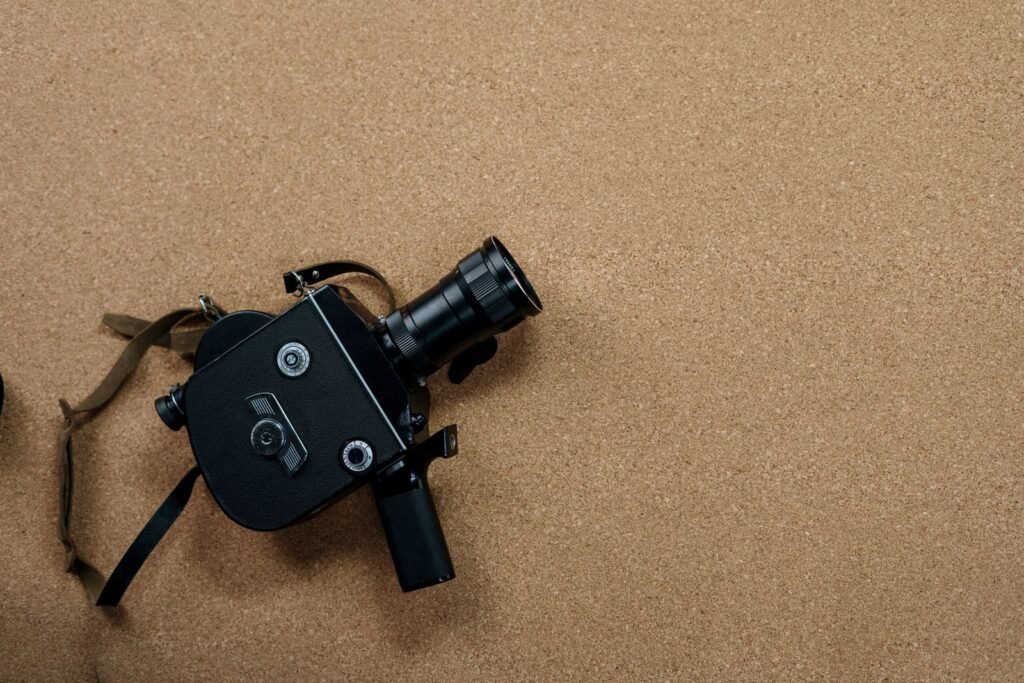
Ask a clinic about video and the conversation goes straight to short form social content, trends, and whether the practice should be making them. Meanwhile the format that reliably brings patients through the door is unglamorous and largely ignored. A practitioner, sitting down, answering one question properly, for four minutes.
What the patient is actually doing before they book
Somebody weighing up a procedure they are nervous about does not want entertainment. They want to see the person who would be treating them, hear how they explain things, and decide whether they seem trustworthy. Video is the only format that answers all three at once, and it answers them before anybody has to make a phone call.
Why this format outperforms the polished promotional one
A produced promotional video says the clinic can afford a production company. An unpolished explanation from a practitioner says the practitioner knows what they are talking about and is willing to say so plainly. Patients read the second as evidence and the first as advertising, and they are not wrong to.
Why plain explanation is the whole job
Health information is routinely written and spoken above the level at which most patients comfortably absorb it, which is the problem health literacy work exists to address. The Agency for Healthcare Research and Quality publishes extensive guidance on communicating clinical information in language patients actually follow. Video suits this unusually well, because a practitioner explaining something aloud naturally drops into plainer language than the same practitioner writing it down, and the patient can watch it more than once.
Where the topics come from
You already have them. The questions your reception team answers twenty times a week are the exact list. Does it hurt. How long until I can go back to work. Will it look obvious. What happens if it does not work. Nobody needs to brainstorm content ideas for a clinic, they need to write down what is already being asked.
One question per video
The instinct is to cover everything about a treatment in one long video. Resist it. One question per video means each video can be found by somebody searching that question, and a patient can watch the one thing they care about without hunting through eleven minutes for it. It also makes them far easier to record, which is what determines whether they get made at all.
Length, and why shorter is not automatically better
Three to five minutes is enough for a real answer and short enough to hold attention. A ninety second answer to a question a patient is anxious about tends to feel dismissive. This is one of the few places where the short form instinct actively works against you, because brevity reads as not being taken seriously.
What you need to record one
Considerably less than clinics assume. A recent phone on a stable surface, a window providing light from in front of the practitioner rather than behind, and a quiet room. The single biggest quality difference is audio, not picture, so a basic clip on microphone is the one piece of equipment worth buying. Everything else can wait until the format has proven itself.
Why scripting them word for word usually backfires
A practitioner reading a script sounds like a practitioner reading a script, and the trust that made the format work evaporates. Bullet points on the wall behind the camera are enough. The occasional restarted sentence is not a flaw here, it is the texture that makes it read as a person rather than a performance.
Answering honestly, including the parts that are not sales
The videos that perform best are the ones that admit something. That recovery is genuinely uncomfortable for a few days. That the treatment does not suit everybody. That results vary and here is what determines it. A clinic willing to say this on camera is far more persuasive than one that will not, and patients arrive already trusting the practitioner they watched.
Where the videos should live
Both on a video platform, where people search, and embedded on the relevant treatment page of your own site, where people are deciding. The same recording does two different jobs in the two places. On the platform it is discovery. On your site it is reassurance at the moment of decision. Our notes on video as a channel cover the platform side in more detail.
Titling them the way people ask
Title the video with the question, phrased as a patient would phrase it, not as a clinic would. A video titled with the clinical name of a procedure will be found by people who already know the term. A video titled with the actual question gets found by everybody else, which is the larger and more valuable group.
Captions are not optional
A large share of video gets watched with the sound off, and medical terms are exactly the words automatic captioning gets wrong. Reviewing and correcting the captions takes a few minutes per video and prevents your practitioner appearing to say something they did not. It also makes the content accessible, which for a healthcare provider is not a small consideration.
Compliance still applies on camera
Everything your profession’s advertising rules say about claims, guarantees and patient imagery applies to video exactly as it applies to text, and it is easier to breach accidentally when speaking freely. Anything said on camera about outcomes should be as carefully worded as it would be in writing. Recording it does not make it conversational rather than published.
Who should be on camera
The practitioner who would actually perform the treatment, wherever possible. A marketing person or a receptionist explaining a procedure undoes the specific advantage the format has, which is that a patient gets to assess the person who will be treating them. If the practitioner is genuinely uncomfortable on camera, an interview format where somebody else asks the questions is usually easier than a monologue and produces a more natural answer.
Reusing one recording in more than one place
A single answer recorded once can sit on the treatment page, be sent by the reception team to somebody asking that exact question, and be cut down for a shorter social clip. The clinics that get value from video are rarely the ones producing the most of it, they are the ones getting several uses out of each recording. Decide the reuse before filming, because it occasionally changes how the answer should open.
Patient imagery needs consent handled before, not after
If anything beyond the practitioner appears on camera, treatment areas, before and after imagery, a patient’s voice, consent has to be recorded properly and before filming, and it has to cover the specific use. Consent given for a clinical record is not consent for publication. This is the part of video that most often creates a real problem, and it is entirely avoidable by handling it in advance.
Knowing whether it is working
The number that matters is not views. It is whether patients mention the videos, whether consultations for that treatment start further along than they used to, and whether the treatment page holds attention longer once a video sits on it. Views can be high and bookings unchanged, or views modest and every one of them a serious enquiry. Ask the reception team what they are hearing, which is usually the fastest signal available.
Starting without committing to a programme
Record three. Pick the three questions reception answers most often, film them in one sitting, publish them, and leave them alone for two months. If nothing comes of it you have lost an afternoon. If patients start mentioning them in consultations, which is the usual outcome, you have found a channel and you will know exactly which questions to record next. Treat it as part of your wider content approach rather than a separate project, and it will survive past the first burst of enthusiasm. Planning them alongside the rest of your content creation keeps the recording sessions efficient.
Want more patients booking from search?
We build clinic websites and search programmes that fill the calendar, not the report.
Get a free audit